

 Seasonal Filter
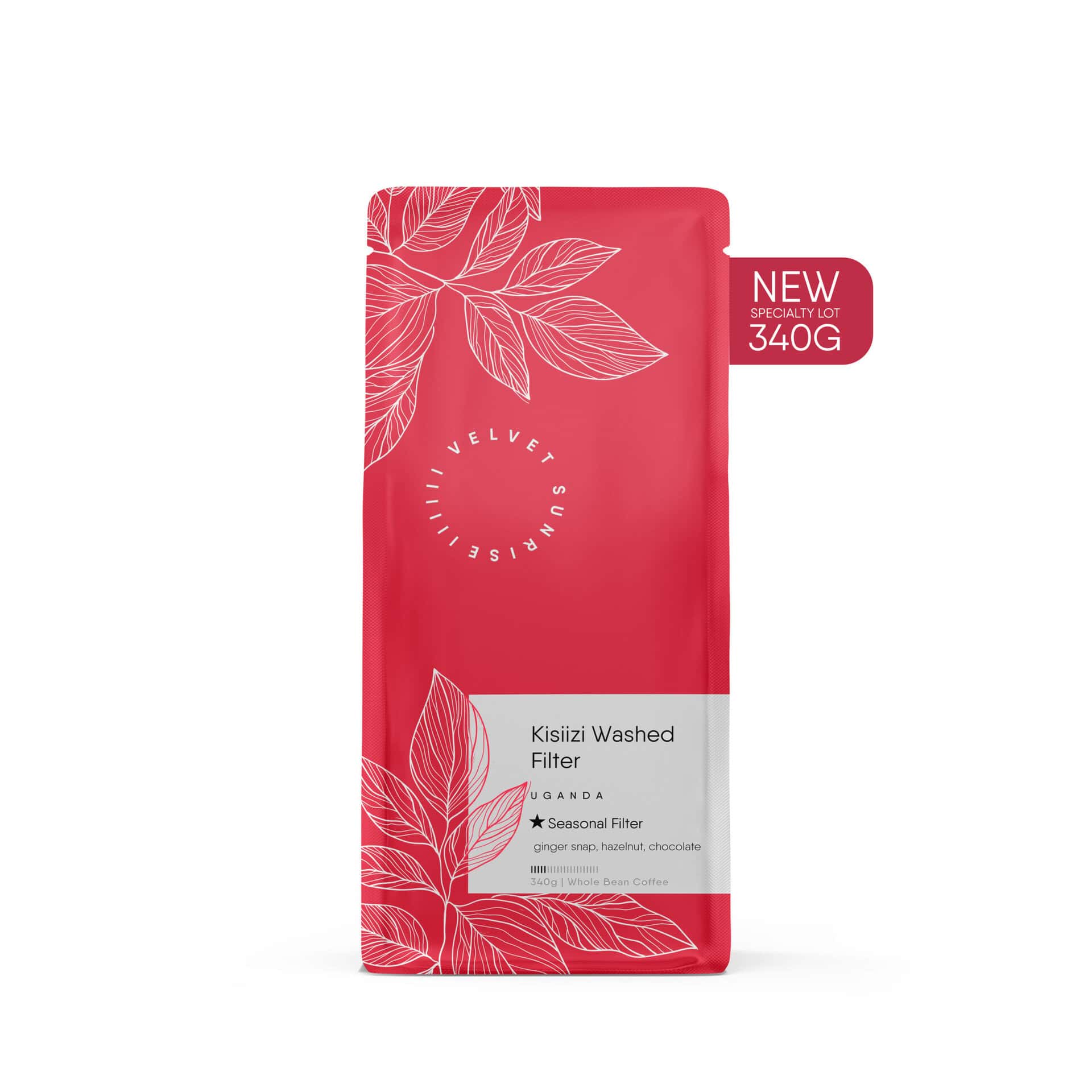
Kisiizi Washed Filter
UGANDA
$23.00
WEIGHT 340g
TASTE ginger snap, hazelnut, chocolate
ELEVATION 1500-1900
REGION Western Uganda – Rukungiri
VARIETY SL14, SL28
ROAST DEGREE

RECOMMENDED BREW METHOD
 DRIP
DRIP
 CHEMEX
 HARIO V60 POUR OVER
Bright & Syrupy Seasonal Medium Roast Filter Coffee
The Cup
Roasted for filter, this fully washed Ugandan coffee from Kisiizi leans into clarity and elegance. Bright notes of ripe apricot lead the cup, followed by soft caramel sweetness and a delicate jasmine floral lift. The lighter roast highlights the coffee’s natural acidity and aromatic complexity, resulting in a clean, expressive cup with a silky texture and a refreshing, refined finish..
About The Coffee
Kisiizi washing station is located in Rukungiri, Western Uganda. Farmers who deliver their cherry cultivate coffee at 1,500 to 1,900 meters above sea level in a fertile and ideal microclimate. The station is named for the nearby village, which is called Kisiizi.
Cultivation
In the east, the fertile volcanic soil surrounding Mount Elgon volcano makes for productive coffee farms, and to the west, the Rwenzori mountains offer high altitudes perfect for Arabica cultivation.
Most farms are small, an average of 1 to 1.5 hectares on average. Most work is done by the family. Coffee is usually the primary cash crop for farmers, but most also intercrop their trees alongside plantains, bananas and fruit. This intercropped produce makes up a substantial part of the family’s diet for the year.
Harvest & Post Harvest
Farmers selectively handpick ripe cherry and deliver it to washing stations or supply chain agents near them. Cherry is carefully sorted at intake where under- and over-ripes, along with any foreign matter, are removed. In order to offer fair prices, farmers are paid the same for their quality cherry regardless of where they bring their cherries.
Quality assurance begins as soon as farmers deliver their cherry. All cherry is floated in small buckets as a first step to check quality. Cherries are then wet processed under constant supervision. Pulping, fermentation, washing, grading through channels and a final soaking are all closely monitored.
Wet parchment is sorted and any damaged beans that remain are removed. Then, parchment is moved to raised beds where it is turned regularly to ensure even drying. Parchment is covered at the hottest part of the day and overnight to prevent cracking and/or condensation. Workers also regularly inspect drying parchment and remove any damaged beans. Table are marked with tags to ensure traceability.
After drying, parchment is delivered to our dry mill in Kampala. The mill has the capacity to mill smaller lots separately to help preserve quality and traceability.
Brewing Recipes
Chemex
The Chemex is a pour-over coffee maker featuring a glass carafe and thick paper filters. By slowly pouring hot water over the coffee grounds, you extract flavors with clarity and brightness. Consequently, this slower filtration produces a refined cup with delicate flavors and a clean, crisp finish. Moreover, it highlights the coffee’s unique characteristics while maintaining a balanced and elegant profile.
Recipe
- 30g medium-ground coffee
- 480ml water at 200°F
Steps
- Prime the filter with hot water, then add the grounds evenly.
- Pour 70ml water over the grounds to saturate, stirring gently if needed.
- Continue pouring the remaining water slowly, starting at the center and circling outward.
Pour Over
Pour over brewing involves slowly pouring hot water over coffee grounds in a filter, allowing full extraction of flavors and aromas. Compared to the Chemex, it uses thinner filters, resulting in a cup with more body while still highlighting the coffee’s unique nuances. In addition, the controlled pour emphasizes the bean’s subtle characteristics and complexity.
Recipe
- 16.5g coffee ground on #7 (Baratza Vario)
- 280ml water at 200°F
Steps
- Pour 60ml water to saturate the grounds, then let sit for 20 seconds.
- Add the remaining water in a steady pour, starting at the center and circling outward.
- Stir lightly for even extraction.